
You don’t need a massive commercial kitchen or a bank loan to start your culinary empire. Sometimes, the path to being a food mogul is sitting right there on your countertop. In my journey as a chef and entrepreneur, I’ve learned that the best businesses start with what you have and where the people are. I will be sharing the business plans for subscribed users for each of the ideas listed below.
Here are 10 kitchen items you already own that could be your next big “side hustle” (or full-time dream).
1. The Juicer
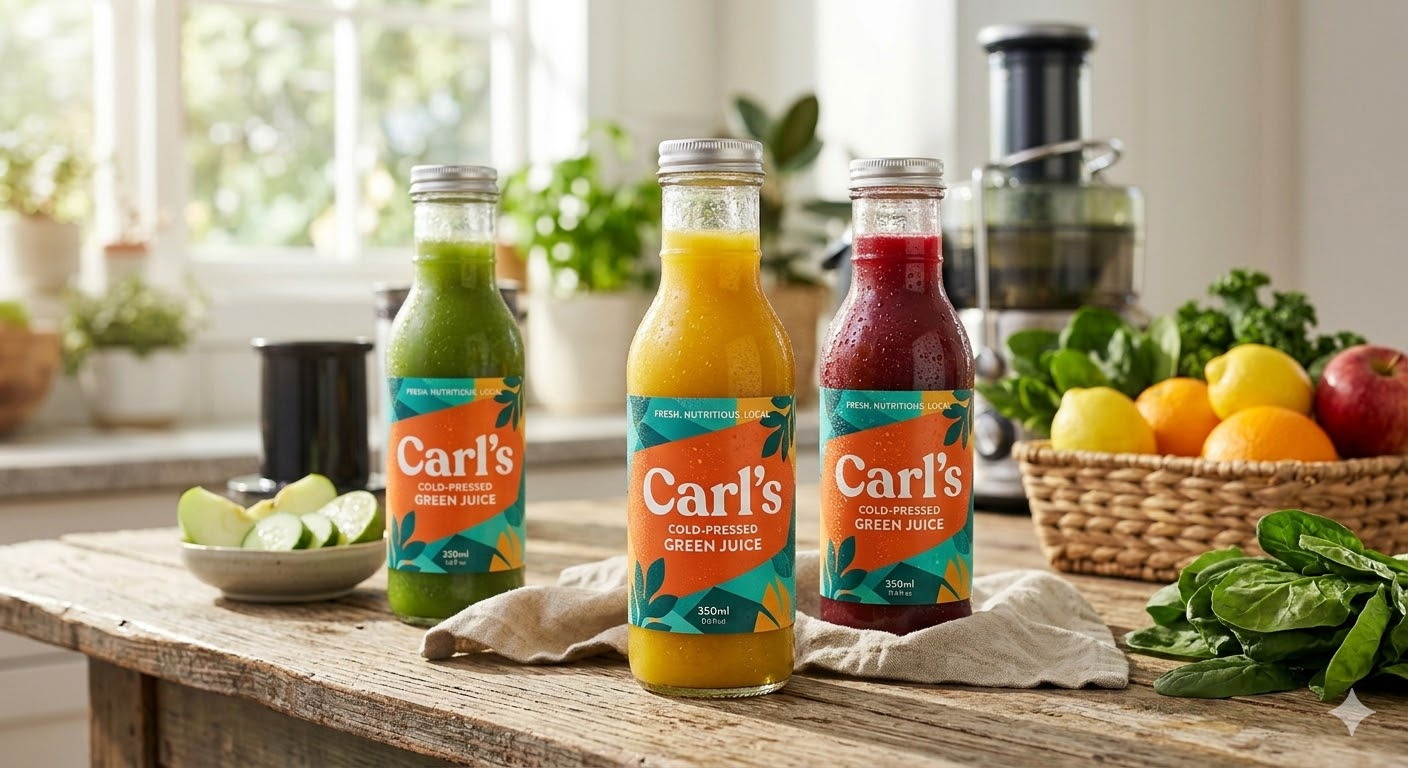
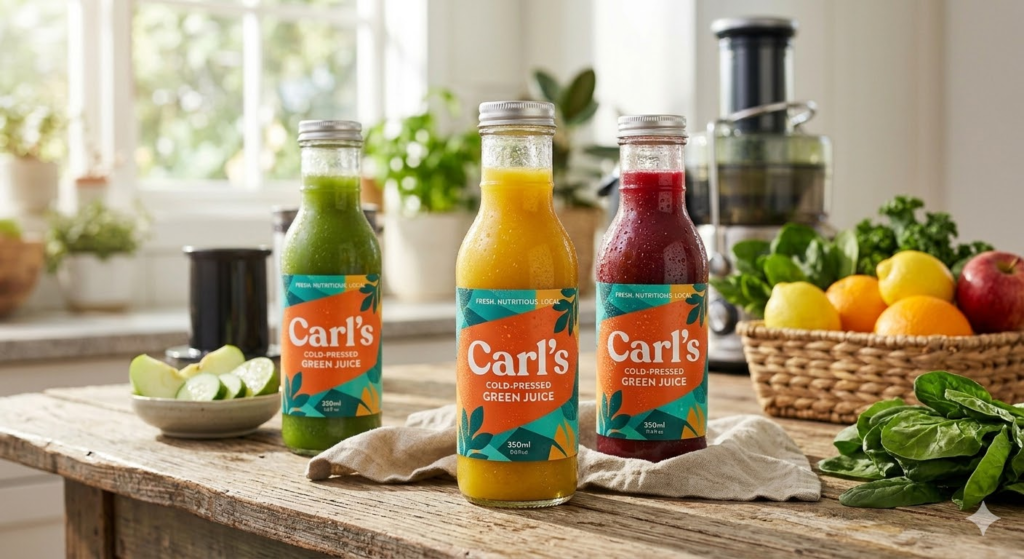
The Business: Fresh, cold-pressed artisanal juices. Where to Run It: Set up a vibrant stall at farmers’ markets on the weekend. People are always looking for a healthy “reset” while they shop for their groceries.
2. The Panini Maker
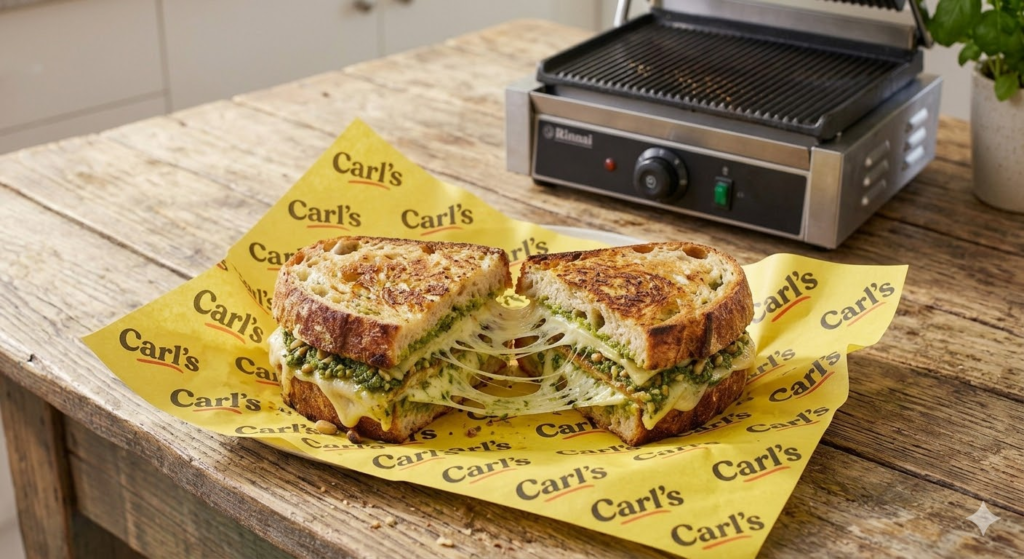
The Business: “Build Your Own” Gourmet Toasties. Where to Run It: Take it to the local market or community fairs. Everyone loves a toasted sandwich, and the smell of melting cheese and sourdough is the best marketing you could ask for.
3. The Chip Fryer
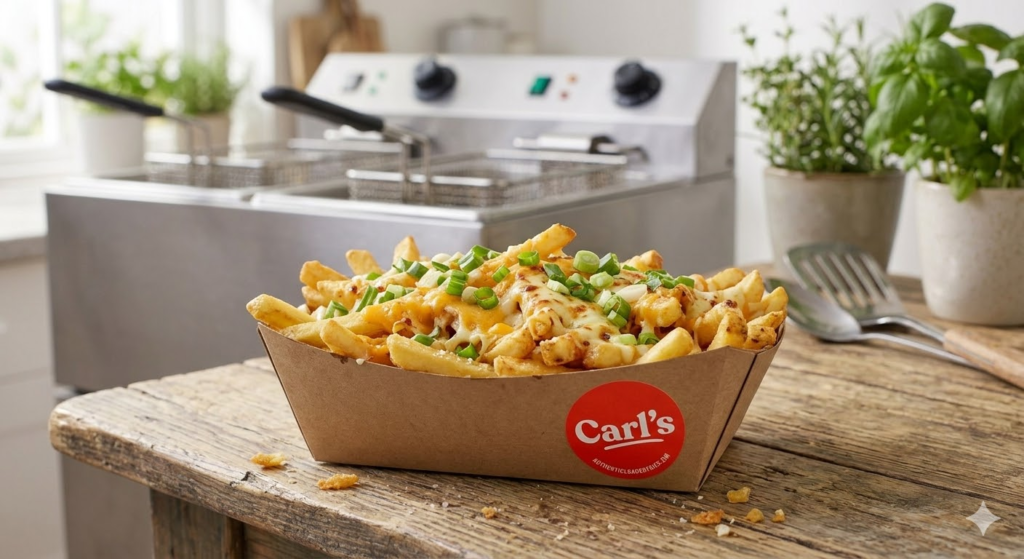
The Business: Loaded Fries Experience. Where to Run It: This is a goldmine at local sports days. Imagine a sea of hungry spectators—all they want is a tray of hot, crispy fries loaded with cheese sauce, jalapeños, or bacon bits.
4. The Braai Stand
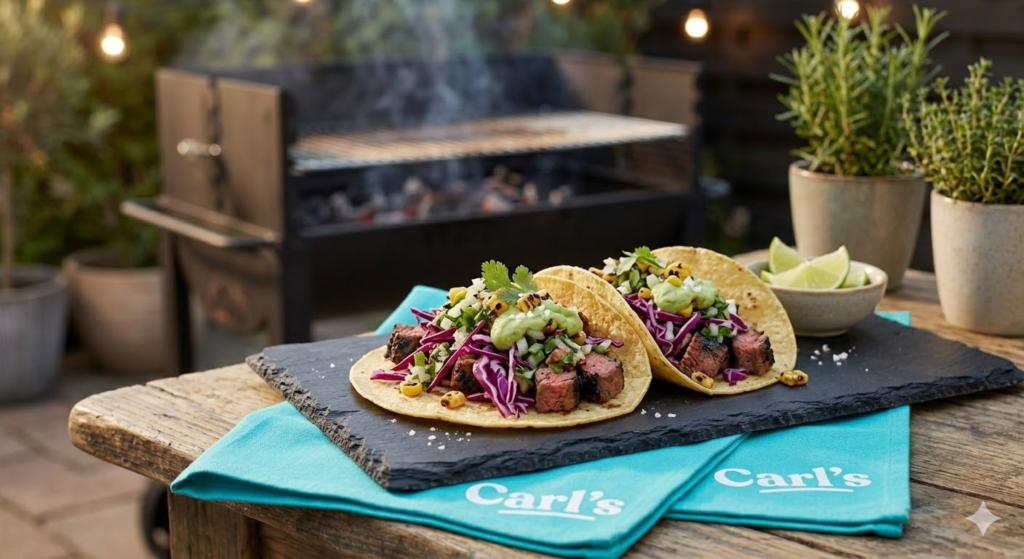
The Business: Fire-Grilled Fusion Tacos. Where to Run It: This is perfect for pop-up events or street corners. Use the braai to get that perfect char on steaks or chicken, then assemble them into tacos with fresh salsa. It’s theater and food all in one.
5. The Blender
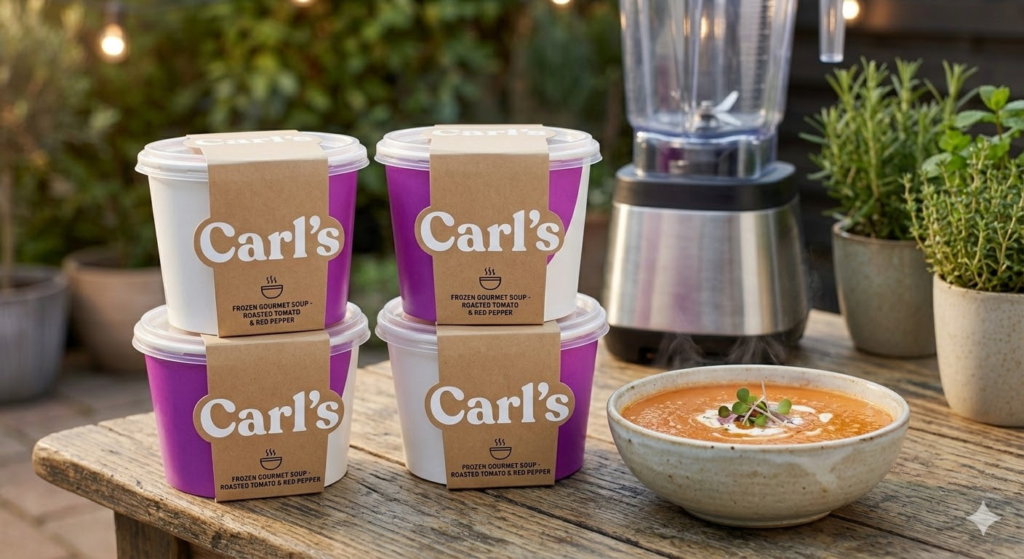
The Business: Frozen “Gourmet-to-Go” Soups. Where to Run It: Sell through social media and WhatsApp groups. People are busy; if you can provide a high-quality, blended butternut or spicy tomato soup they can just heat up, you’ve got a subscription model in the making.
6. Ice Lolly Trays
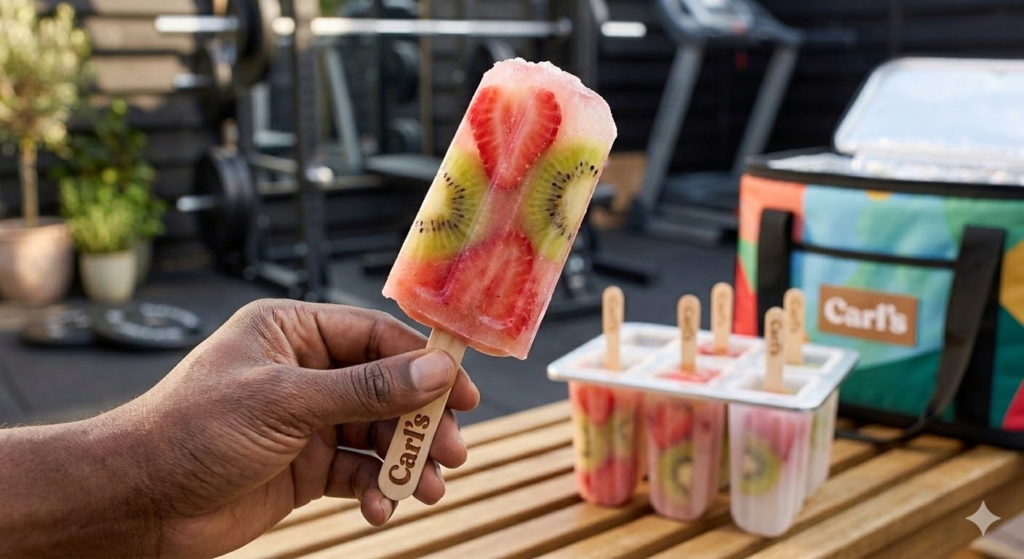
The Business: Fresh Fruit “Gym Pops.” Where to Run It: Set up outside local gyms or yoga studios. After an intense workout, there is nothing better than a natural, sugar-free fruit lolly to cool down. It’s the ultimate healthy reward.
7. Cooler Boxes
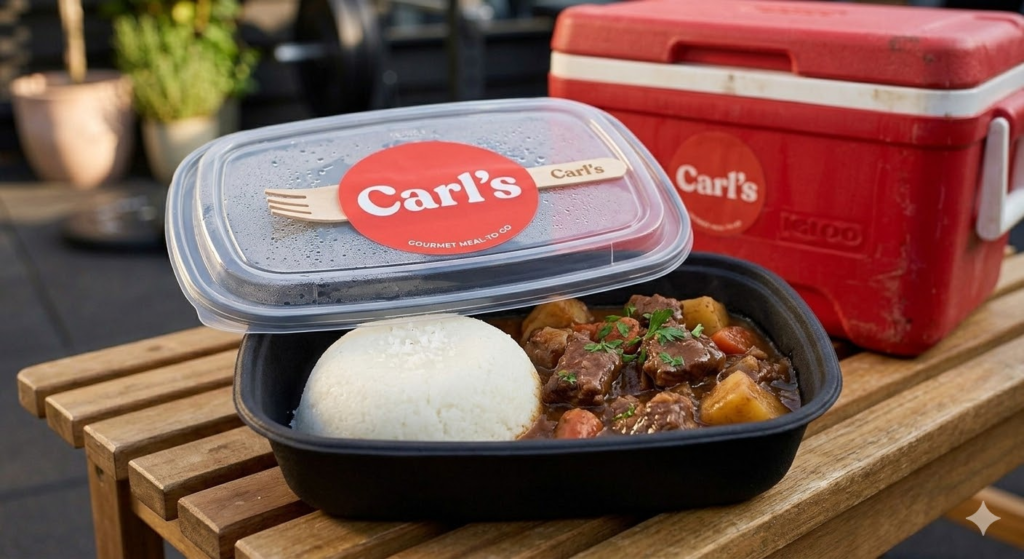
The Business: The Mobile “Hot Box” Lunch. Where to Run It: Target industrial areas and office parks during lunch hour. Load them with hot stews and sadza; the insulation keeps the food steaming, allowing you to provide a “home-cooked” meal to workers who don’t have time to leave their posts.
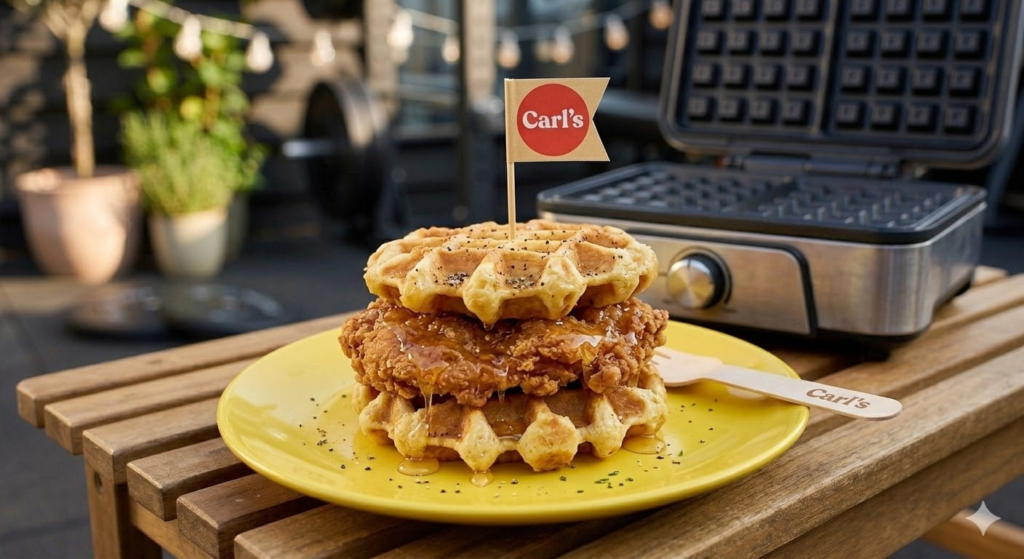
8. The Waffle Maker
The Business: Signature Savory Waffle Sandwiches. Where to Run It: This works beautifully at early morning school runs or office lobbies. Forget sweet toppings—think waffles used as “bread” for fried chicken or egg and bacon. It’s portable, unique, and incredibly Instagrammable.
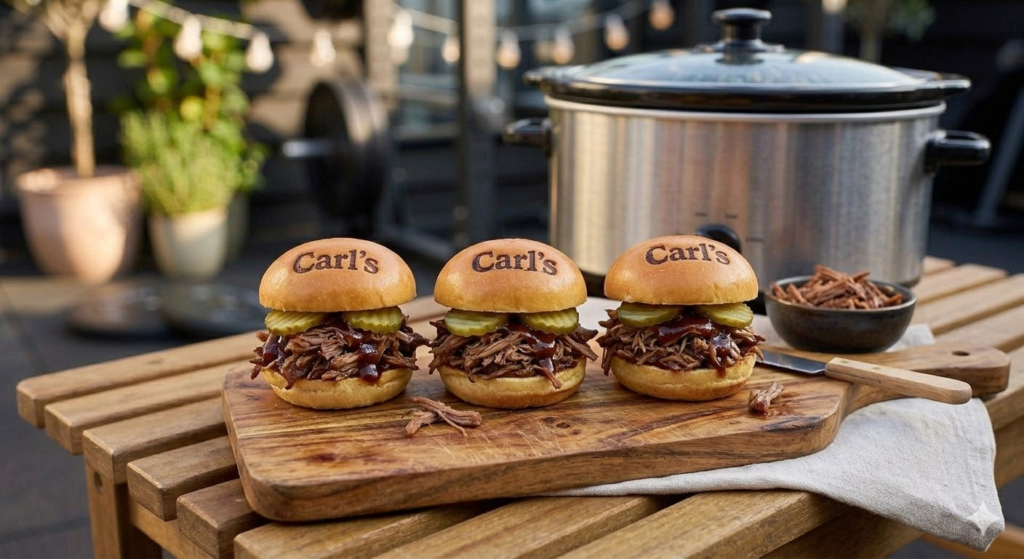
9. The Slow Cooker (Crockpot)
The Business: Pulled Meat Sliders. Where to Run It: Perfect for night markets or festive gatherings. Let the meat cook for 12 hours at home, then shred it and serve it in mini brioche buns. It’s low-effort prep with high-flavor delivery that people can eat while walking.
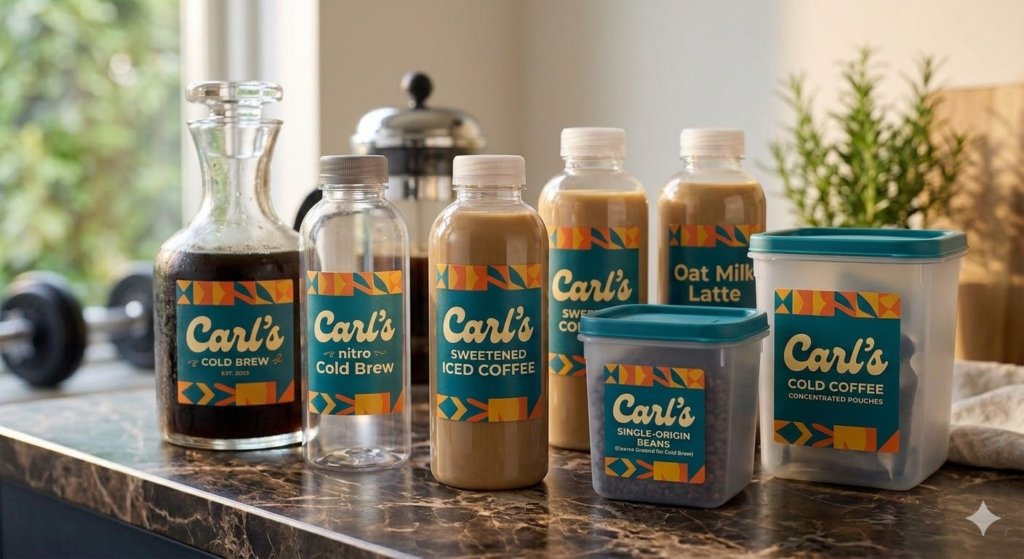
10. The Coffee Plunger / French Press
The Business: Infused Cold Brew & Coffee Tasting. Where to Run It: This is great for boutique workshops or small corporate meetings. Use your plunger to create concentrated cold brews infused with vanilla or cinnamon. You aren’t just selling coffee; you’re selling a premium caffeine experience for small groups.
1. Start Small to Fail Cheap
Starting small isn’t about a lack of ambition; it’s about risk management. Your kitchen gadgets are your R&D lab. When you start with a single panini maker at a local market, a mistake costs you a loaf of bread and some cheese. If you start with a full-blown restaurant, a mistake costs you the lease, the payroll, and your peace of mind. Use this phase to find your “Minimum Viable Product” and refine your flavor without the crushing weight of high overhead.
2. Measure Everything (The Data Tells the Truth)
In the food business, you don’t guess—you calculate. You need to know the exact yield of how many lollies one tray produces and the precise cost of every gram of steak in that taco. Tracking the conversion of how many people walked past your cooler box versus how many actually bought a plate is the only way to know if your hobby is actually a business. If you can’t measure it, you can’t manage it.
3. Develop Systems for Consistency
A business is only a business if it can run without you standing over the stove. Developing systems means creating “The Carl’s Way” for every single task. Define exactly how long a panini is pressed, the specific temperature of the fry oil, and the precise placement of the sticker on the bag. Documenting these processes ensures that the 100th customer gets the same incredible experience as the first one, regardless of who is operating the equipment.
4. Understand the Business Before the Scale
Scaling doesn’t fix problems; it magnifies them. If you are losing money on every juice bottle you sell at the market, selling ten thousand bottles in a retail store just means you’re losing thousands of dollars faster. Scaling should only happen once you have mastered the unit economics. You must understand your supply chain, your shelf life, and your customer’s behavior so deeply that when you finally pour fuel on the fire, the business explodes in the right way.
Master the micro, and the macro will take care of itself.
