
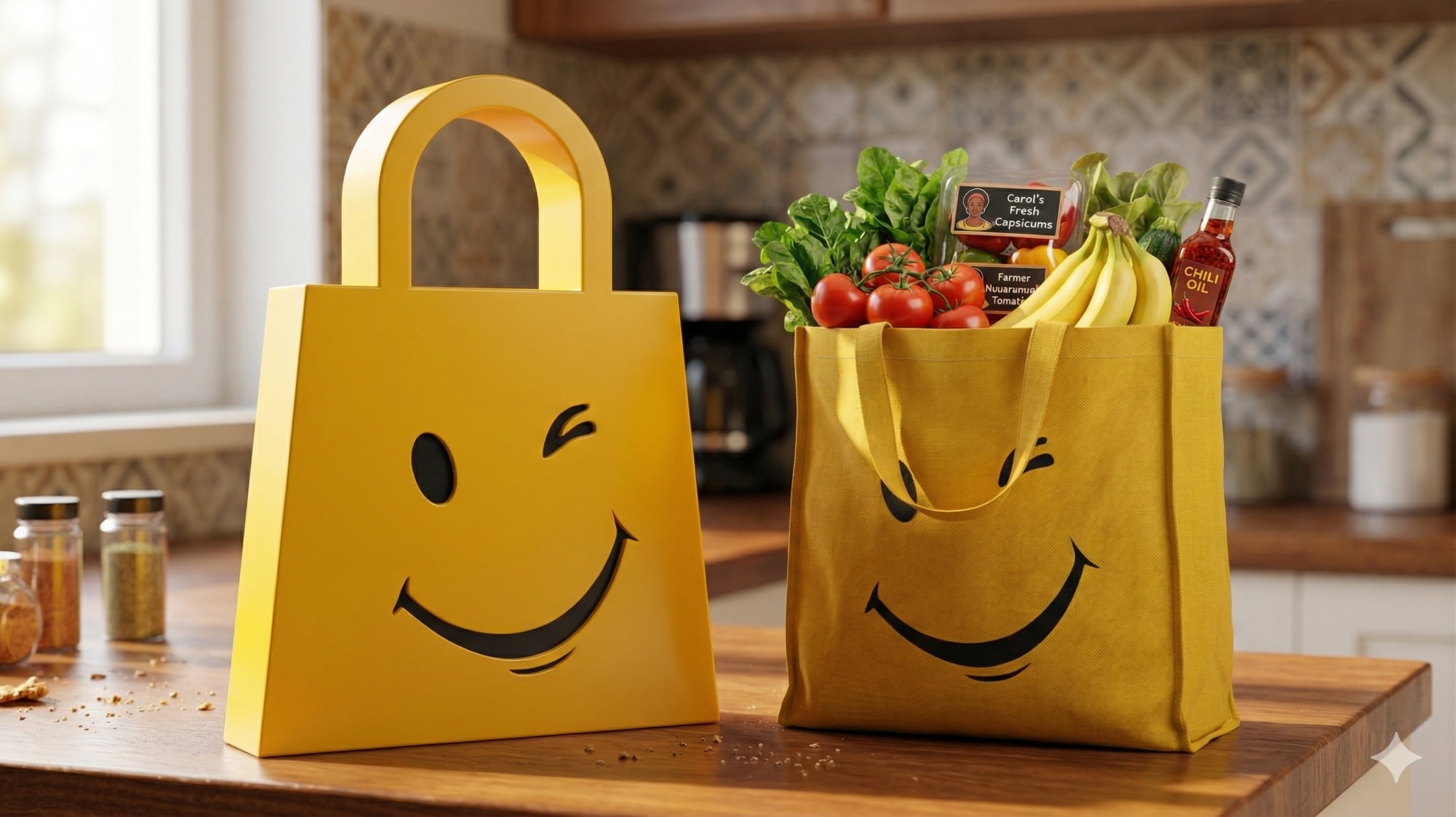
The Next Retail Giant: A Blueprint for the Zimbabwean Renaissance
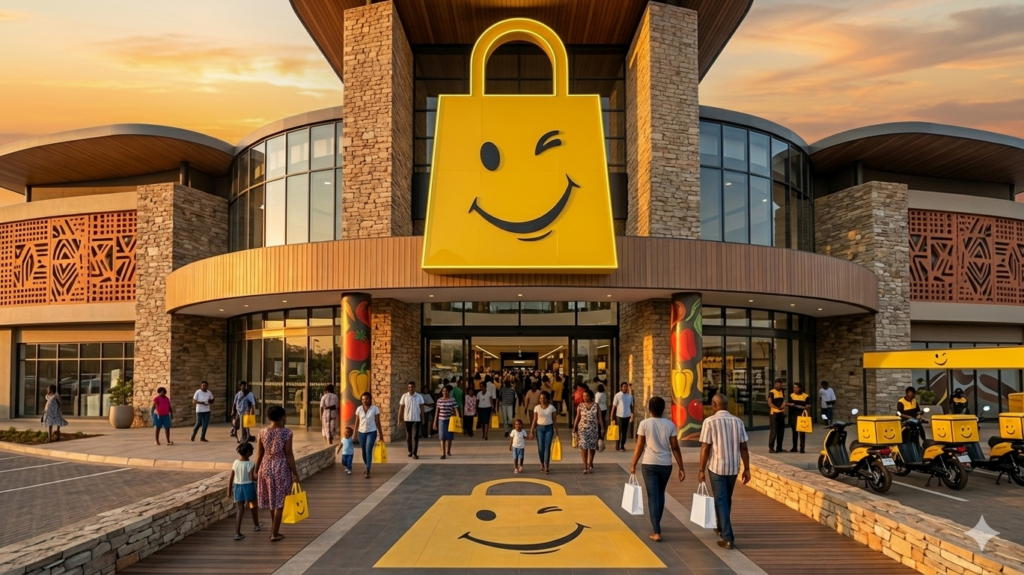
The retail landscape in Zimbabwe currently looks like a game of Jenga where someone just kicked the table. With the old guard retreating into corporate rescue and shelves looking more like minimalist art installations than actual pantries, there is a massive, gaping void. But where most see a crisis, I see an opportunity to build something that actually fits the Zimbabwean soul rather than just trying to squeeze it into a 1990s corporate box. Here is how the next giant takes the crown.
The End of the “Greed Tax”
We have to talk about why a non-greedy pricing model is the only way forward. The next retail king won’t survive by chasing 40% margins on a shrinking customer base; they’ll win by pricing for volume and trust. In a country where we’ve been “nickeled and dimed” by every exchange rate fluctuation, a brand that prioritizes long-term loyalty over short-term profiteering will be treated like a national hero.
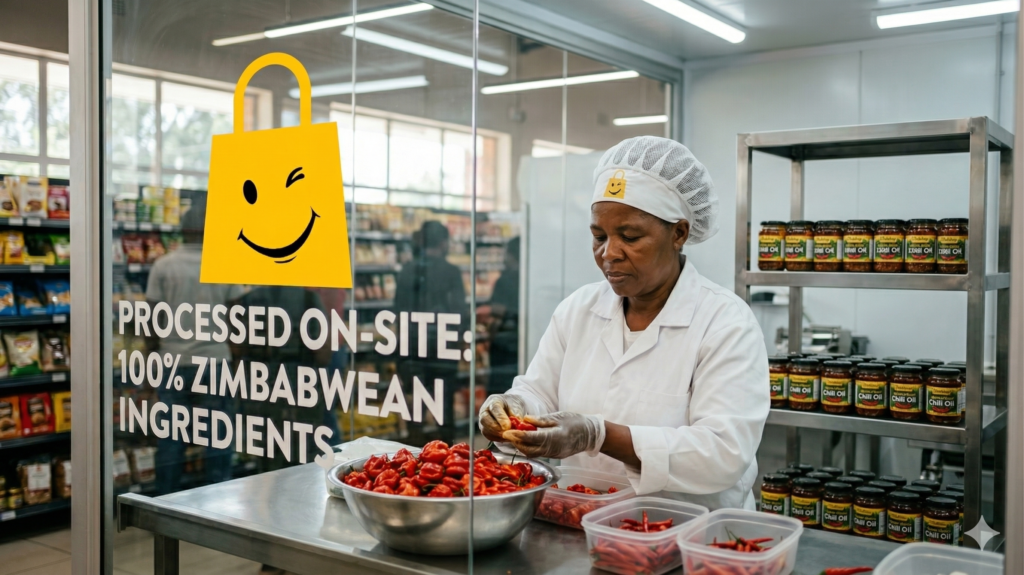
Radical Bypass Surgery through Local Beneficiation
The supply chain needs to be re-engineered through local production and integration. We have to stop being a country that exports raw ingredients only to buy them back in fancy plastic at five times the price. The next retail giant should be an industrialist in disguise, partnering with local processors to turn our own harvests into the “House Brands” that dominate the shelves, keeping the value—and the jobs—right here at home.
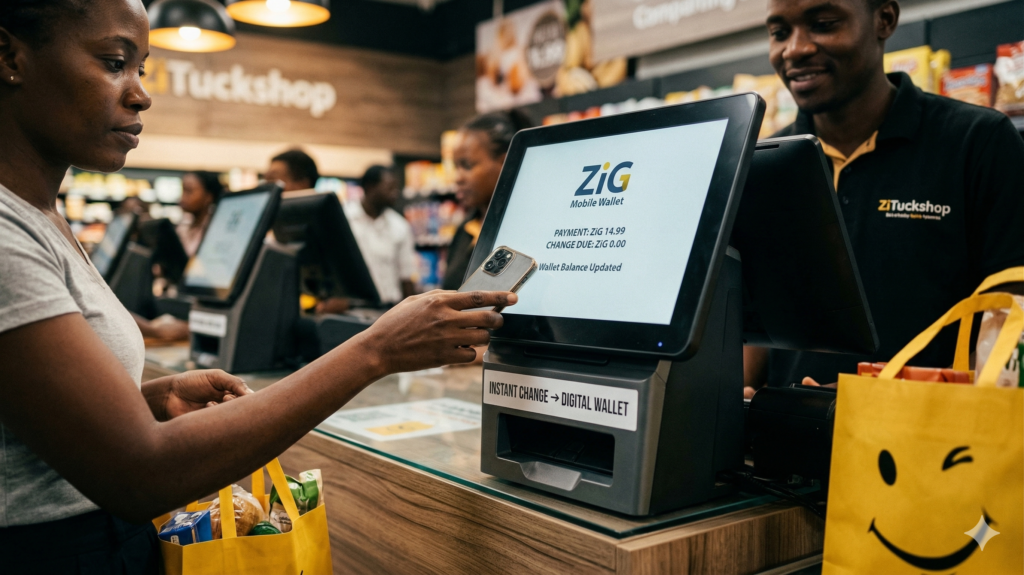
Frictionless Finance and the “Zero Change” Myth
We must finally solve the “Change Headache” with integrated financial services and a seamless mobile money ecosystem. I am tired of being offered a lollipop or a single loose cigarette because the till operator doesn’t have two ZiG coins. The winner in this space will have a digital wallet so seamless that micro-transactions happen instantly without the customer feeling like they’ve been robbed of their small coins.
Farm-to-Fork: The Soil-to-Shelf Express
We need to bring the farm to the fork in a way that isn’t just a marketing slogan. Imagine a grocery store that functions as a direct extension of the soil, where the logistics are so tight that the kale you buy at 4:00 PM was still in the ground in Mutare at 4:00 AM. By removing the three or four middlemen who currently sit in the middle eating all the profit, the retailer can pay the farmer more and charge the family less.
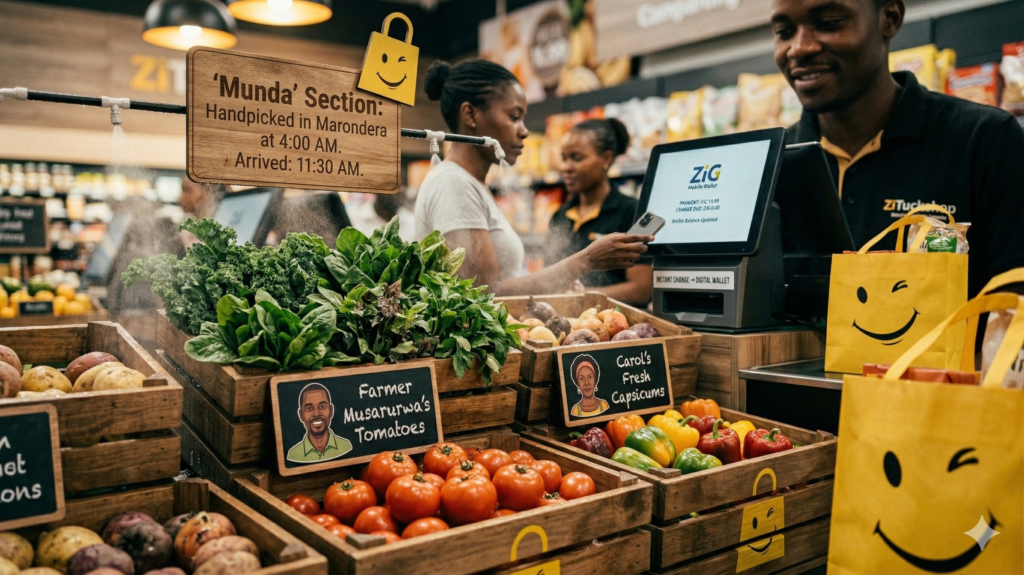
The “Tuckshop” Synergy and Micro-Retail Integration
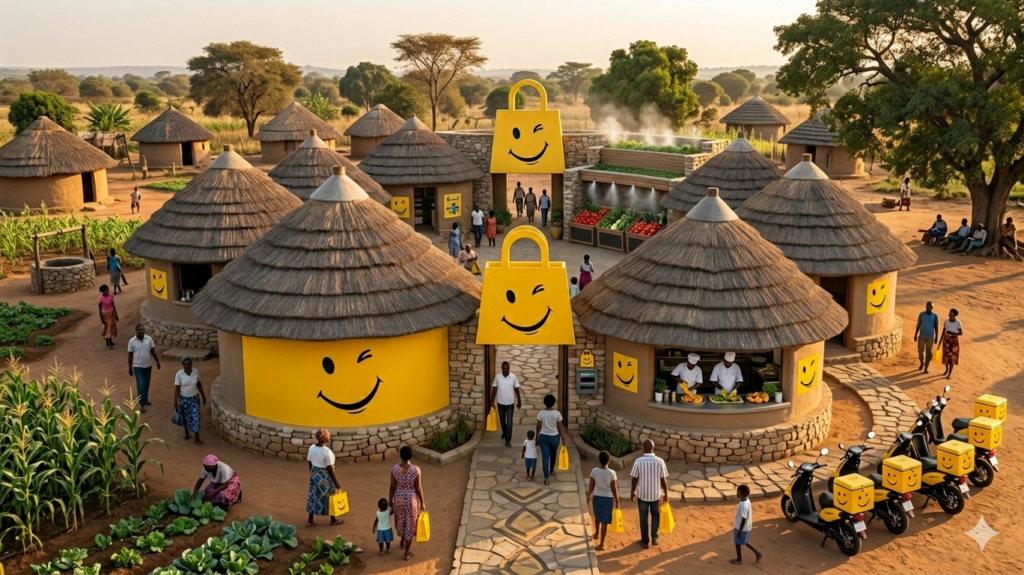
The next giant shouldn’t fight the informal sector; it should become its engine. Instead of trying to put the local neighborhood tuckshop out of business, the supermarket of the future should supply them. Create standardized “business-in-a-box” booths for entrepreneurs, handle the banking compliance and government loans for them, and run a high-tech delivery route that keeps their tiny shelves stocked daily.
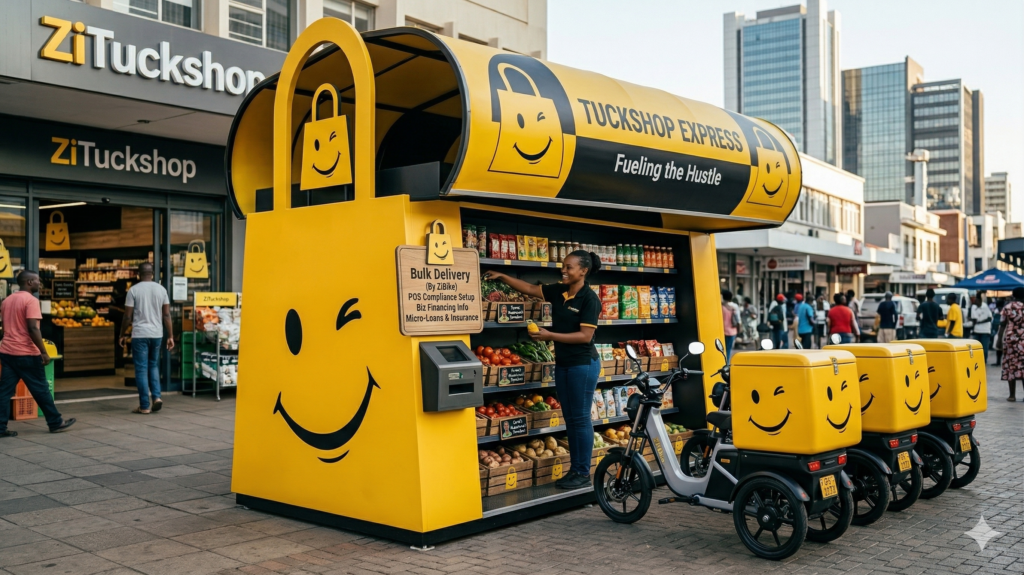
Incubating the Next Generation of Food Startups
We need to turn the supermarket into an incubator for product development. There are so many “Gogos” and young chefs making world-class chili oils, peanut butters, and spice blends in their kitchens who just can’t get past the gatekeepers of big retail. The next giant will have a dedicated department to help these artisans with branding, packaging, and health certifications, putting Zimbabwean innovation on the front row instead of the back shelf.
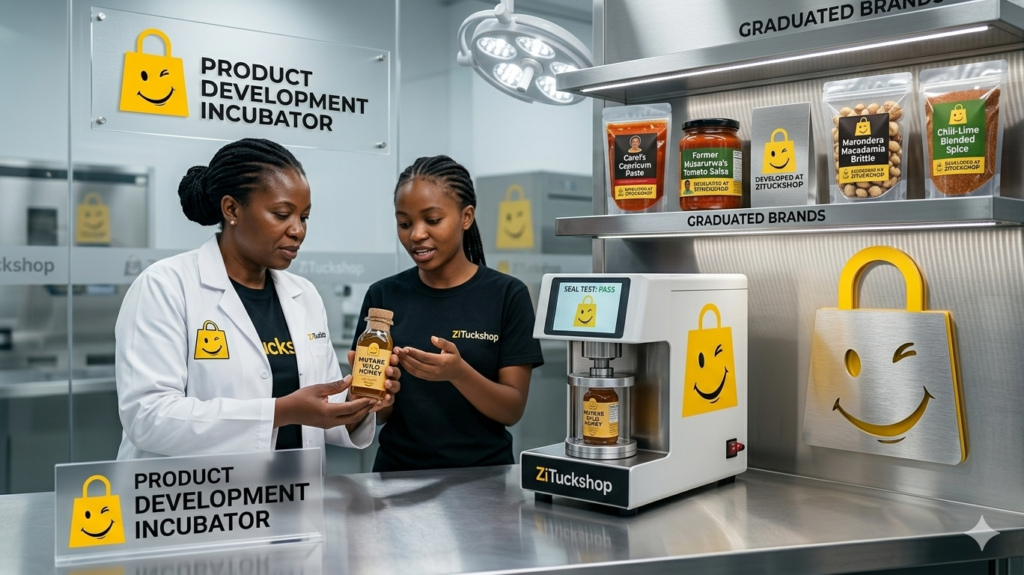
The One-Stop Lifestyle Ecosystem
We must embrace a holistic shopping experience because our time is as precious as our money. A trip to the shop should be an ecosystem experience where you can fix your banking, grab a high-quality coffee, have a healthy lunch at a restaurant, and get a quick wellness check-up all in one building. We don’t just need a place to buy soap; we need a community hub that respects the fact that we have a hundred things to do in a day.
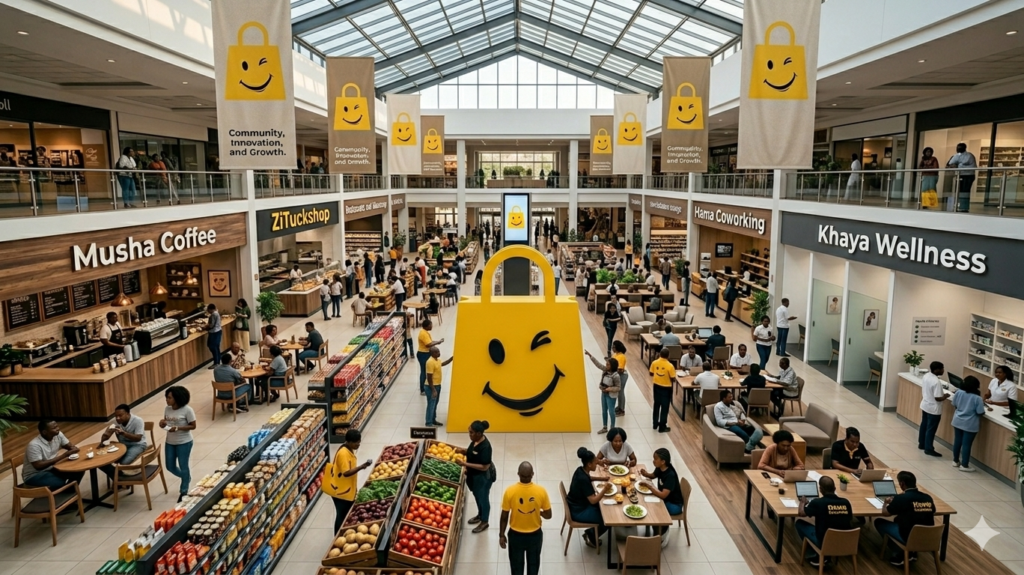
Reimagining the Power of the Anchor Client
The next retail powerhouse must realize that being an anchor client in a mall is a position of leadership, not just a lease agreement. This means driving the energy of the entire shopping center, ensuring that the foot traffic they generate benefits the small boutique owners and service providers around them. They should be the heartbeat of the development, providing the stability and the standard that elevates every other business under that roof.
Logistics 2.0: The Digital Delivery Frontier
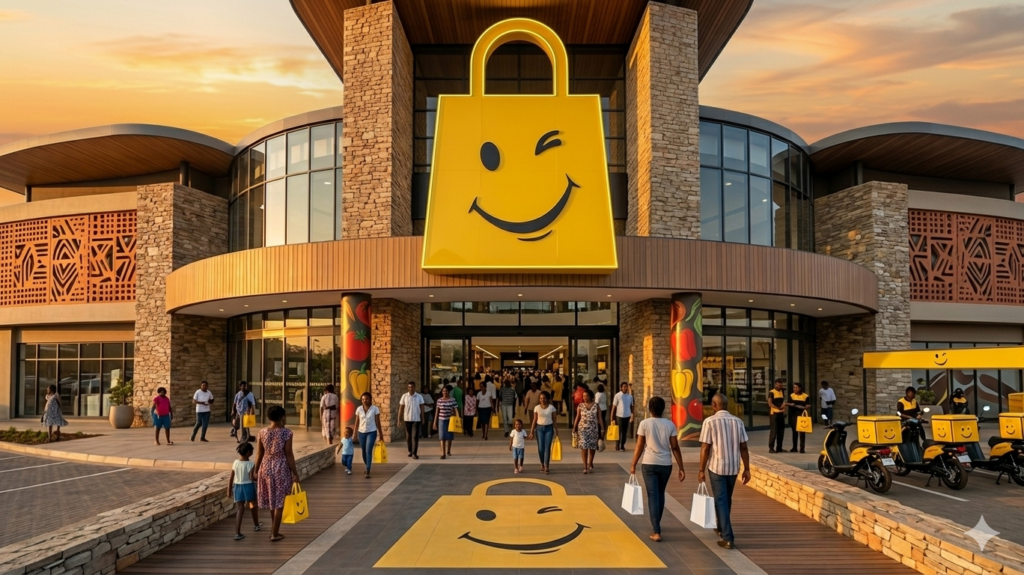
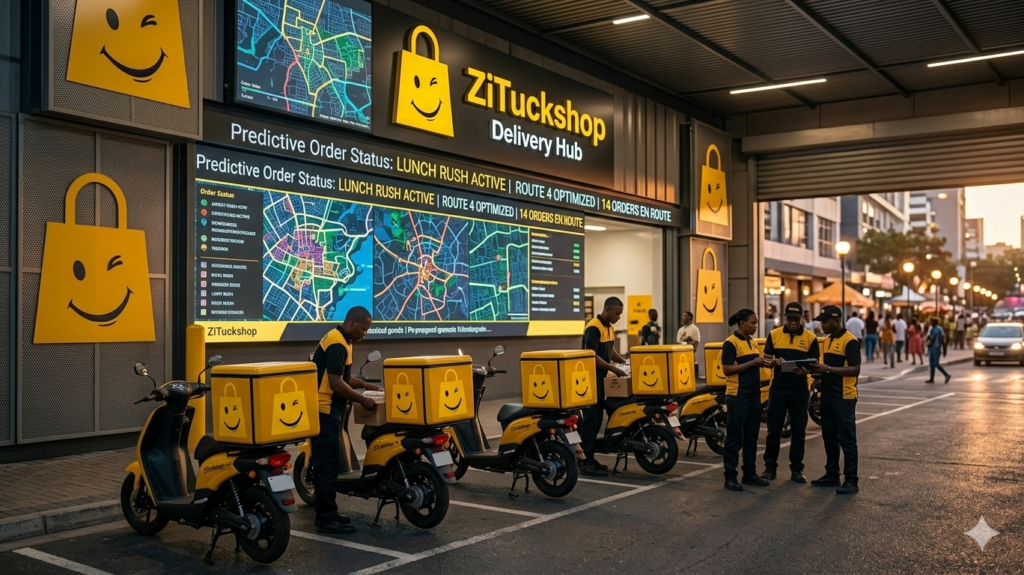
We need to stop treating delivery and online shopping like an afterthought and start treating it like the primary frontier. Innovations in delivery shouldn’t just be for the elite; we need “Dark Stores” in high-density areas and a fleet of electric bikes that can navigate a pothole or a narrow lane to get a bag of mealie-meal to a doorstep in twenty minutes. If I can track a pizza across town, I should be able to track my monthly groceries with the same precision.
The On-Site Kitchen: Selling Time, Not Just Food
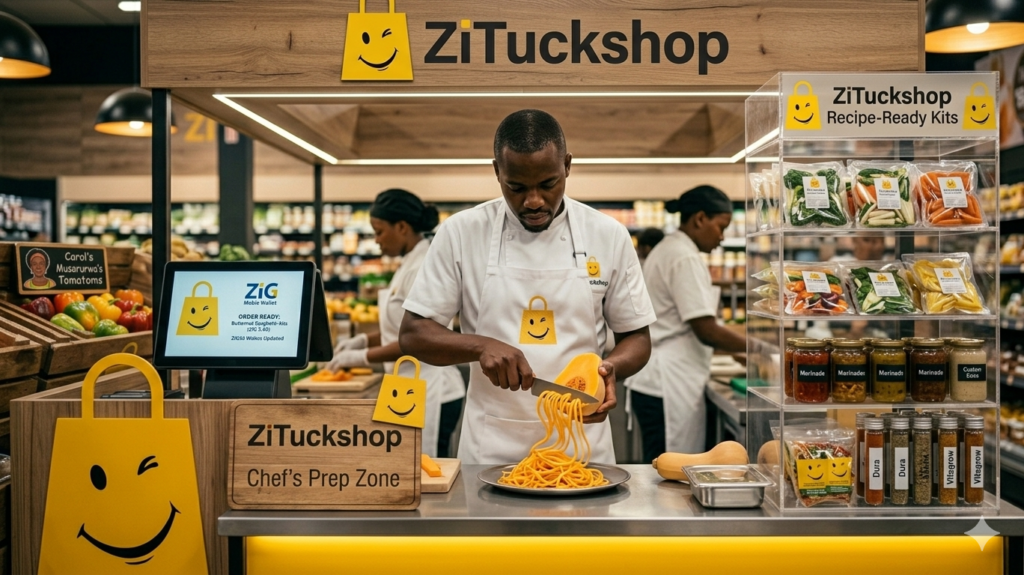
The introduction of on-site prep stations turns “shopping” into “preparing.” The next giant will have a team ready to de-scale your fish, chop your butternut into perfect cubes, and mix a custom spice blend for your potjie right there while you wait. We are a hard-working nation, and if a retailer can save a father or a mother thirty minutes of prep time in the kitchen, they aren’t just selling food—they are selling time, and that is the most valuable currency in Zimbabwe.
Food For Thought: Closing the Innovation Gap
It is a curious thing to watch the rest of the world sprint toward high-tech logistics, automated inventory, and hyper-personalized shopping while our local retail space has remained remarkably static. We have the tools, the digital infrastructure is easier to deploy than ever, and our processes are ripe for a modern overhaul, yet the “innovation” in our aisles has largely been a game of musical chairs. We are standing on a goldmine of untapped efficiency, and the next retail giant won’t just be the one with the biggest floor space, but the one with the biggest imagination.
As a chef consultant traversing the landscape of markets, hotels, and startups, I see a landscape of missed connections that are actually invitations for greatness. Imagine the power of a retail giant that doesn’t just “buy vegetables,” but integrates a dedicated department to plug directly into the genius of Fresh In A Box. Their logistics model for delivering fresh produce is nothing short of insane, and seeing that kind of precision outside the formal retail net feels like a glimpse into a future that’s already here, just waiting to be invited inside.
There is so much brilliance happening at the grassroots level that is ready for the big stage. I look at the horticultural mastery at Carol’s Seedlings, the high-efficiency production at Vitagrow Urban Farms, or the community-centric grit of the Mashuma Shop in Kadoma. These aren’t just suppliers; they are the blueprints for a resilient, modern food system. The next retail leader has a massive opportunity to stop acting as a gatekeeper and start acting as a platform, elevating these local powerhouses into the national consciousness. We don’t need to reinvent the wheel; we just need to finally put the wheel on the car and start driving toward the retail renaissance we all know is possible.

2 Comments
Baba, how do we arrive at this destination?
scale the tuckshop model. dont own…supply…dont run…enable…think air bnb, uber and do the same at retail level